Facts about Superfoods
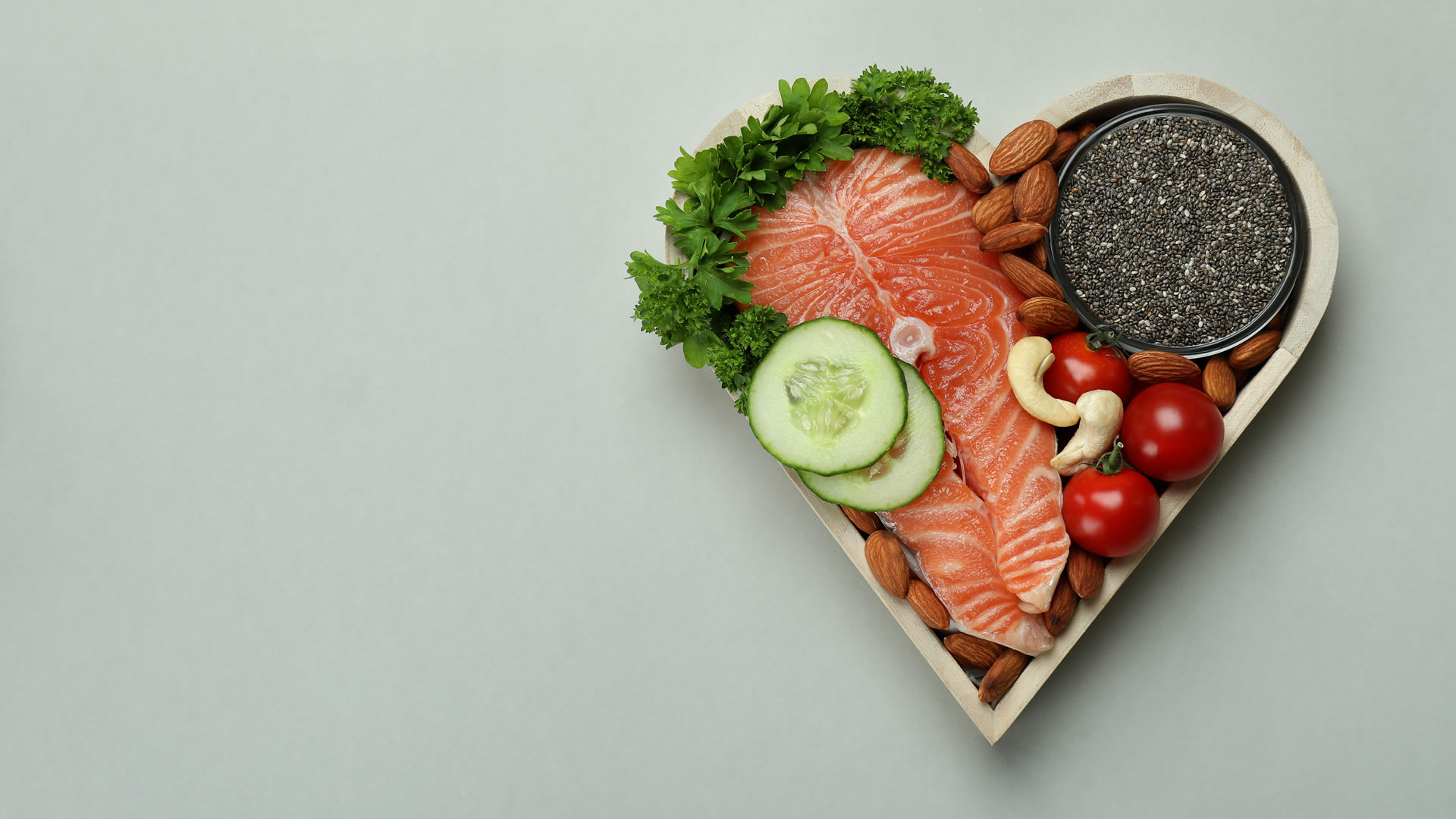
You’ve most likely heard the term “superfoods” to describe foods that will supposedly make you look great, feel great and help you live a longer, healthier life — but what are “superfoods” and what makes them so super?
The term “superfood” is used a lot, but what does it mean? The official definition just means a food that is nutrient dense but this can mean different things to different people.
WHAT IS A SUPERFOOD?
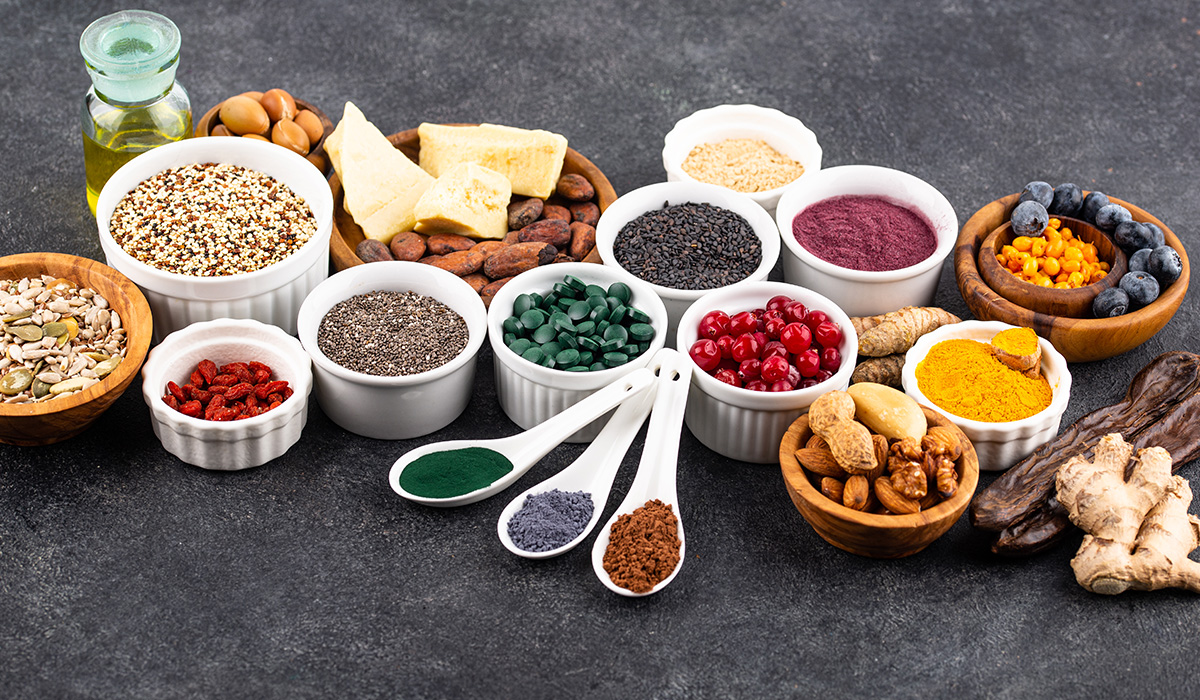
There is no exact definition of what makes a “superfood.” However, superfoods are nutrient powerhouses that provide large quantities of antioxidants, phytochemicals (chemicals in plants responsible for colours and smells), vitamins and minerals. Most superfoods are plant-based.
BENEFITS OF SUPERFOODS
The high vitamin and mineral content found in superfoods can help your body ward off diseases and keep you healthier. When incorporated into a well-balanced diet, these foods can promote heart health, weight loss, improve energy levels and even reduce the effects of aging.
Antioxidants found in many superfoods may help prevent cancer, while healthy fats can reduce your risk of heart disease. Fibre, which is also found in many superfoods, can help prevent diabetes and digestive problems while phytochemicals have numerous health benefits including reducing your risk of developing cardiovascular diseases. Superfoods are also known to protect your organs from toxins, help lower cholesterol, regulate metabolism, and reduce inflammation.
OVER-HYPED SUPERFOODS
Some of the foods that marketers reference as “super” are anything but. Or, they just have mediocre nutrition that is over-hyped.
A good example of an overrated food is kale. That may bring gasps, because it seems to be everywhere these days. You know the hype has climaxed when even McDonald’s is testing it out!
So why do we say kale is overhyped? Because the measure of its antioxidant content (Oxygen Radical Absorbance Capacity - known as ORAC) is 1,770 per 100 grams. Sure, that’s good, but it’s by no means amazing. Red leaf lettuce is 2,426 and you don’t hear anyone talking about that.
EATING A WELL-BALANCED DIET
It’s important to note that while superfoods are good for your health and provide many nutrients you need daily, eating superfoods alone does not contribute to a healthy diet. Eating too much of one type of food can be detrimental to your health and prevent you from getting all the nutrients you need. For this reason, superfoods should be added to a well-balanced diet, not replace one.
A well-balanced and nutritious diet should include fruits, vegetables, lean protein, whole grains, legumes, and nuts while limiting the intake of sodium, bad fats, and refined sugar. When combined with exercise and regular physical activity, a healthy and nutritious diet can work wonders for your health.
“Food IS medicine.”
What follows are the 10 best superfoods not based on hype, but rather on measurable antioxidant content.
We’re not listing the all-time top 10 here, because those aren’t always economically feasible or practical to eat in large quantities. For example, chaga mushroom extract has tested as high as 146,000, but 100 grams costs £100 and it can have poor bioavailability.
Our list are the top foods that balance the antioxidant content with price and availability. Both men and women, endurance athlete and desk jockey, whoever you are you can benefit by adding these to your diet. All are vegan, gluten free, and raw (or can be obtained raw).
TOP 10 SUPERFOODS
1. SUMAC
This is the most under-the-radar superfood you will find. A spice primarily found in Middle Eastern cuisine; it has an antioxidant measurement that literally raises the bar of the chart… because no other food is higher!
At 312,400 it’s 176 times higher than the overrated kale. But remember this is a spice, so eating 100 grams of it (versus 100 grams of kale or lettuce) would be quite difficult. But since its ORAC is so high, fortunately a little does a lot. Try sprinkling a teaspoon on your salads, pastas, rice, or pretty much anything else that could mesh well with its lemony-salty taste.
2. COCOA
This may not be the most exotic, but it is one of the most potent! The ORAC value of dry, unsweetened cocoa is 55,653 per 100 grams. That’s over 10x higher than blueberries.
Keep in mind those test results are based on pure cocoa. So, we’re not talking about the highly processed stuff. Most of the antioxidants in chocolate are destroyed when heated during the stages of processing them for sweets and other junk food.
Your best bet, when not consuming the powdered form, is to stick with organic – and ideally raw – dark chocolate bars. As in, the darker the healthier.
3. INDIAN GOOSEBERRIES
We all hear the hype about acai – which yes – does qualify as a superfood. Why then do we not ever hear about Indian gooseberries which have over 2x the antioxidants of acai? Probably, the reason is that no one sells them. So, where, and how do you buy them? Fortunately, you can buy the powder of Indian gooseberries. Since its shelf- stable when stored in a zipped bag, it’s a versatile nutritious food you can have handy at home or work to health-ify your meals by sprinkling it on.
4. CEYLON CINNAMON
Regular (cassia) cinnamon has an extremely high ORAC of 131,420 so why are we insisting on the Ceylon variety instead? Because cassia cinnamon’s side effects include liver toxicity.
A substance in it – coumarin – damages your liver. Not everyone is particularly susceptible to this liver damage, especially if consumed in typical quantities.
If you want to start supplementing with cinnamon for health benefits, go with the Ceylon variety because the amount of coumarin is minuscule in comparison.
5. PECANS
Because they’re not an exotic nut, you don’t hear them raved about like other health foods. That’s too bad, because pecans are the highest antioxidant nut. How does it compare:
NUT Oxygen Radical Absorbance Capacity - orac
- Pecans – 17940 orac
- Walnuts – 13541 orac
- Hazelnuts – 9645 orac
- Pistachios – 7675 orac
- Almonds – 4454 orac
- Peanuts – 3166 orac
- Cashews – 1948 orac
- Macadamia – 1695 orac
- Brazil – 1419 orac
Since pecans – like all nuts – are calorie-dense, this is not a superfood for weight loss. But whether you’re looking to maintain or lose weight, consuming them carefully in moderation shouldn’t be a problem.
6. TURMERIC
It’s astronomically high ORAC value of 127,068 isn’t the only reason this super spice should be on your list.
Turmeric is one of, if not the most, studied superfood.
The reason? Curcumin – the active ingredient/compound in turmeric – has been linked to several health benefits. It has been said that inflammation causes or contributes to almost every major disease Perhaps that is why studies have suggested turmeric might be beneficial for heart disease, cancer, osteoarthritis, infections, and neurodegenerative conditions such as Alzheimer’s, Parkinson’s, and Multiple Sclerosis.
7. BAOBAB FRUIT
The Baobab tree grows natively throughout the continent of Africa, its fruit, seeds, and leaves have been used for traditional food preparations. Only recently has the western world taken notice – the European Union didn’t authorize it as an ingredient until 2008. The nutritional benefits? For starters, with a value of 140,000, it’s ORAC is about 40% higher than acai. More than 6x the vitamin C of oranges, 2x the calcium of milk, and high in potassium and phosphorous.
8. CHIA SEEDS
A noteworthy benefit of chia seeds is that they contain more omega 3’s than salmon. It’s been hailed as an ideal superfood for endurance athletes because of its ability to help with hydration – these seeds absorb up to 27x their weight in water.
Athletes also respect chia’s high protein content and excellent amino acid profile (containing all 9 essential). That makes it one of the best raw vegan superfoods for protein. Including them as a part of an overall high-fibre diet, you may find yourself losing weight by eating less. Oh, and their ORAC value? That’s nothing to sneeze at either. Black chia is 9,800 and white chia is 7,000.
9. SORGHUM
An ancient grain originally from Africa, sorghum is as versatile as wheat. But unlike wheat, sorghum is gluten-free and allergies to it are rare. It’s another good vegan source of protein.
What makes it even more special are its nutritional benefits. On per calorie basis, it has protein content that’s comparable to quinoa. Like most grains, it’s vitamin and mineral rich, but its ORAC value is an outlier. The most common, white sorghum, is quite good (2,200 – higher than kale). That’s impressive, but what really gives it superfood status are the red and black varieties, with values of 14,000 and 21,900, respectively.
10. PURPLE CORN
Last, but certainly not least, on our top 10 list is a specific type of corn. Yellow corn has an ORAC of 738. Blue corn is 2,960. Because of its high amounts of anthocyanins, raw purple corn has up to 10,800! The most ancient variety, Kculli, was a staple in the Incan empire in Peru. It’s still widely grown there today, with purple corn juice and flour for bread being popular food items throughout South America. On a commercial scale, it has only been sold in the United States for around a decade. A couple cereals, tortilla chips, and other products now use this ingredient.