
HEalth Topics – Nutrition

Nutrition and Stress Management for a Healthy Heart
Nourishing the Heart: The Vital Role of Nutrition and Stress Management for Lifelong Cardiovascular Health Nutrition and stress management are essential pillars for maintaining heart health. Eating the right foods and controlling stress levels protects the…

Heart Month: Focus on Heart Health, Cholesterol, and Lifestyle
Heart Month: Your February Focus on Heart Health, Cholesterol, and Lifestyle in the UK Every February, the UK shines a spotlight on one of our most vital organs with Heart Month – a month-long campaign aimed at raising awareness of heart health, the risks…

January New Beginnings and Goal Setting: Embracing a Positive Mindset
January New Beginnings and Goal Setting: Embracing a Positive Mindset for Health, Wellbeing, Fitness, and Nutrition January marks a powerful psychological reset – a time when the calendar permits us to turn the page, shed regrets and overindulgence from the…
Potassium
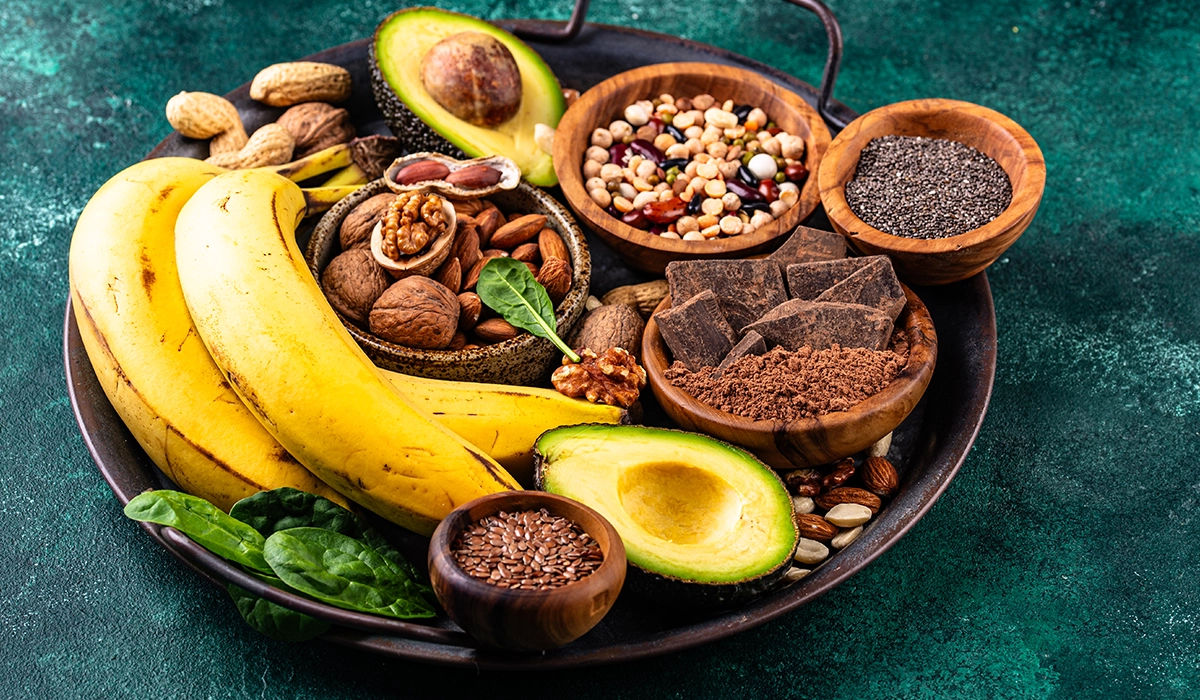
Potassium is an essential mineral and electrolyte that plays a crucial role in various physiological processes in the human body. It is represented by the chemical symbol “K” and is one of the most abundant intracellular cations (positively charged ions). Potassium is…

Vitamin E
Vitamin E is a fat-soluble vitamin that acts as an antioxidant in the human body. It encompasses a group of compounds known as tocopherols and tocotrienols, with alpha-tocopherol being the most biologically active form. Vitamin E plays a vital role in various…

Phosphorus
Phosphorus is a chemical element with the symbol “P” and atomic number 15. It is an essential mineral that plays several important roles in the human body. Phosphorus is primarily found in the form of phosphate (PO4) compounds, and it is the second most abundant…

Vitamin D
Vitamin D is a fat-soluble vitamin that is essential for various important functions in the human body. It exists in several forms, with the two most important ones being vitamin D2 (ergocalciferol) and vitamin D3 (cholecalciferol). Vitamin D can be obtained from…

Molybdenum
Molybdenum is an essential trace mineral that the body requires in small amounts for several important physiological processes. Although molybdenum is needed in very minute quantities, it plays a crucial role in various enzymatic reactions. While molybdenum deficiency…

Vitamin C
Vitamin C, also known as ascorbic acid, is a water-soluble vitamin that plays a vital role in various aspects of human health. It is a micro-nutrient, meaning it is needed by the body in relatively small amounts, but it plays a critical role in various physiological…

Nutrition and Blood Cancer Prevention: Understanding the Role of Diet
Blood cancer, encompassing leukaemia, lymphoma, and myeloma, disrupts the production and function of blood cells, often originating in the bone marrow or lymphatic system. While medical treatments like chemotherapy and immunotherapy remain central to management,…

Mental Wellbeing and Nutrition for Sepsis: Foods That Help and Strategies to Overcome Stress
Sepsis, a life-threatening condition caused by the body’s extreme response to infection, can have profound effects on both physical and mental health. Recovery from sepsis often involves addressing not only the physical symptoms but also the psychological…

Facts About Minerals
Minerals are important for your body to stay healthy. Your body uses minerals for many different jobs, including keeping your bones, muscles, heart, and brain working properly. Minerals are also important for making enzymes and hormones. The body needs many minerals;…